
About RISER 3D
How a skateboarding problem became a free design tool.
The Problem
I started skateboarding last year and got hooked fast. Once I started customizing my setup — trucks, wheels, the whole thing — I hit the classic problem: wheel bite.
After a hard turn, your wheel clips the underside of the deck. It throws you off the board mid-ride. The fix is a riser pad — but off-the-shelf risers only come in a handful of sizes. 6mm, 10mm, maybe 1/8". I needed something in between. I tried 6mm and still got bite. Tried 10mm and the board felt too tall. There was no middle ground.
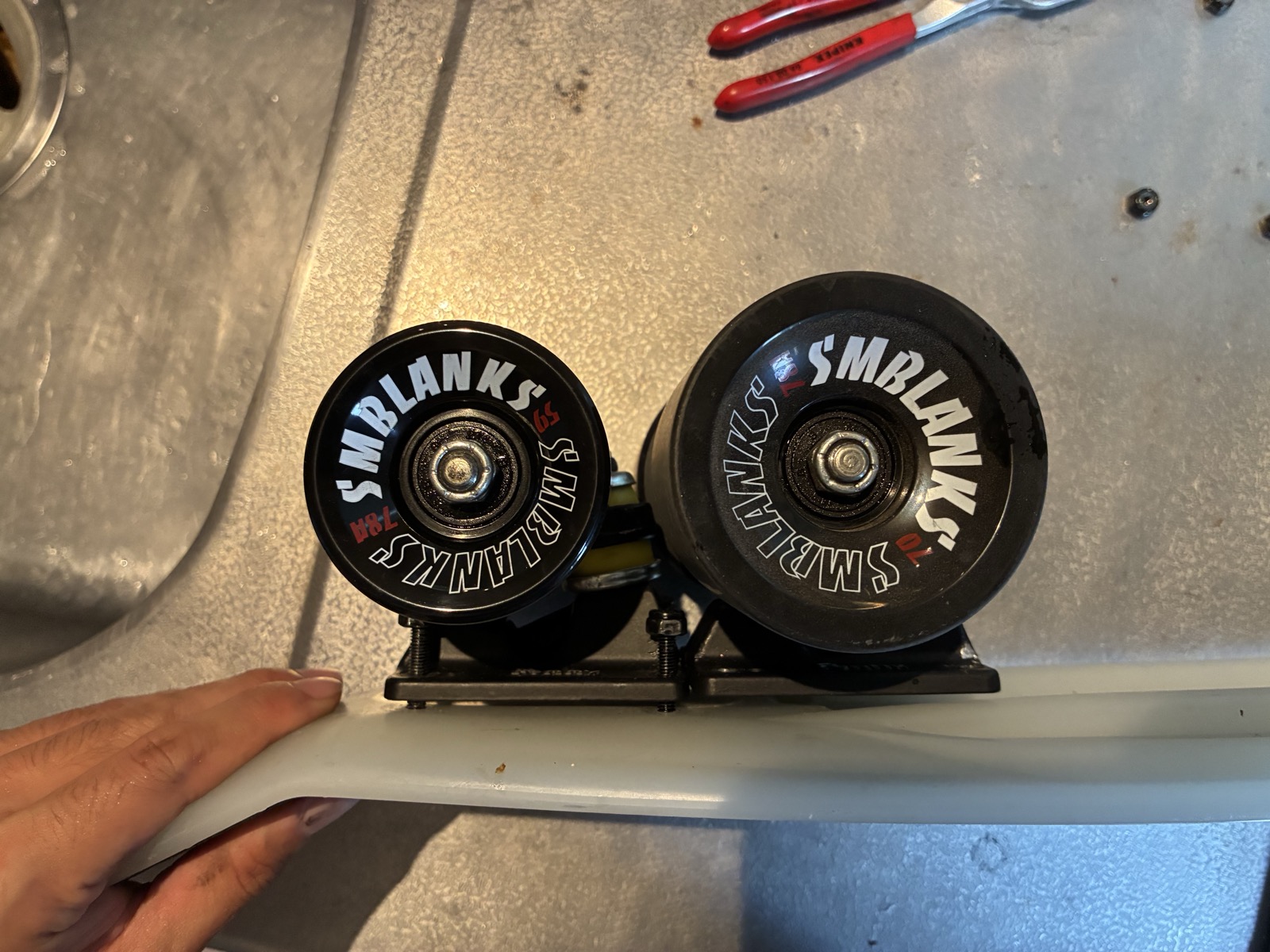
This is a wheel-bite setup — almost no gap between wheel and deck.
So I made my own.
The Solution
I started designing custom riser pads in Fusion 360. Model, export STL, print. It worked perfectly — exactly the height I needed, the hole pattern I wanted. My friends wanted some. Then their friends.
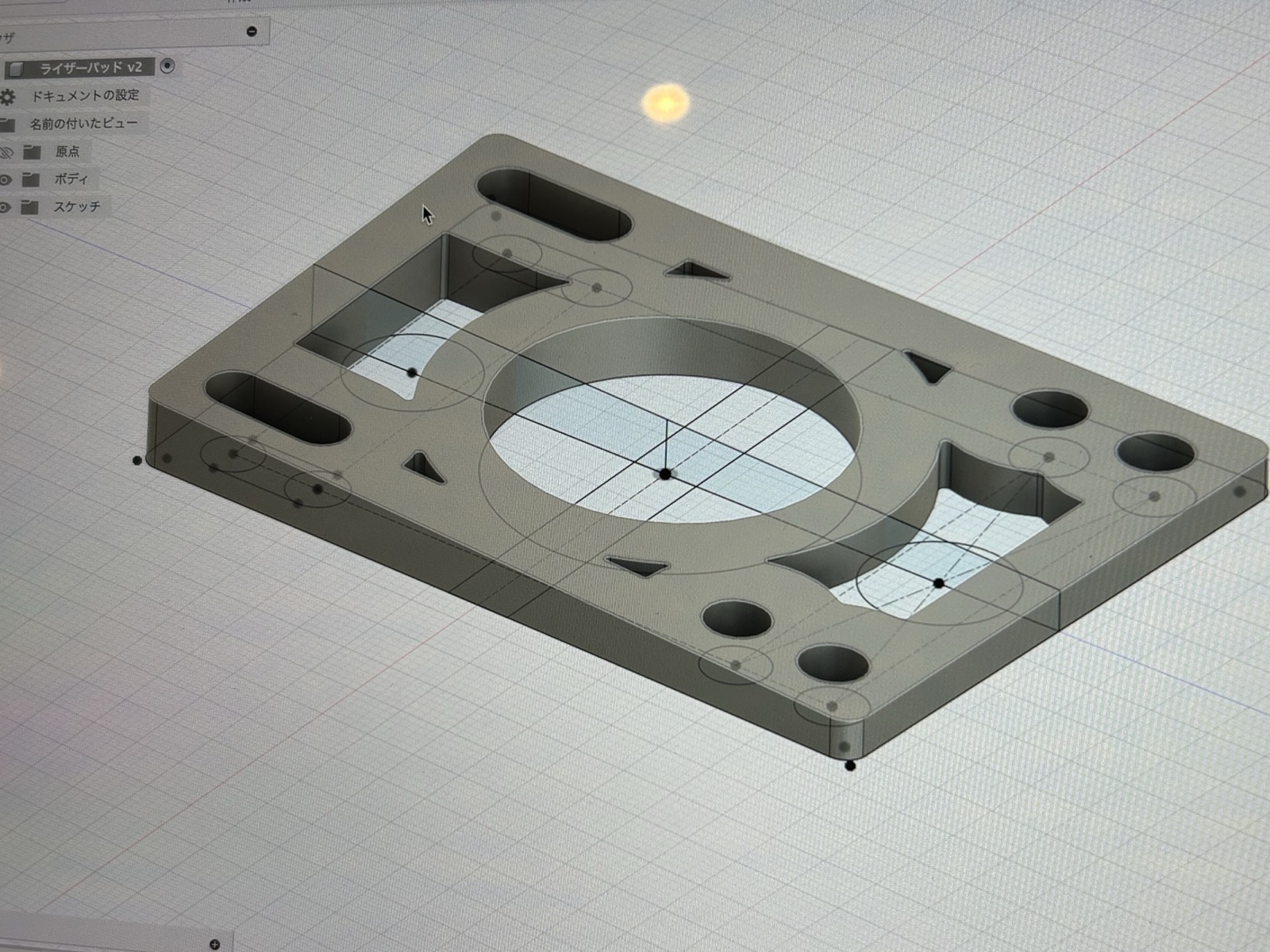
Back when I modeled every riser in Fusion 360 (Riser Pad v2).
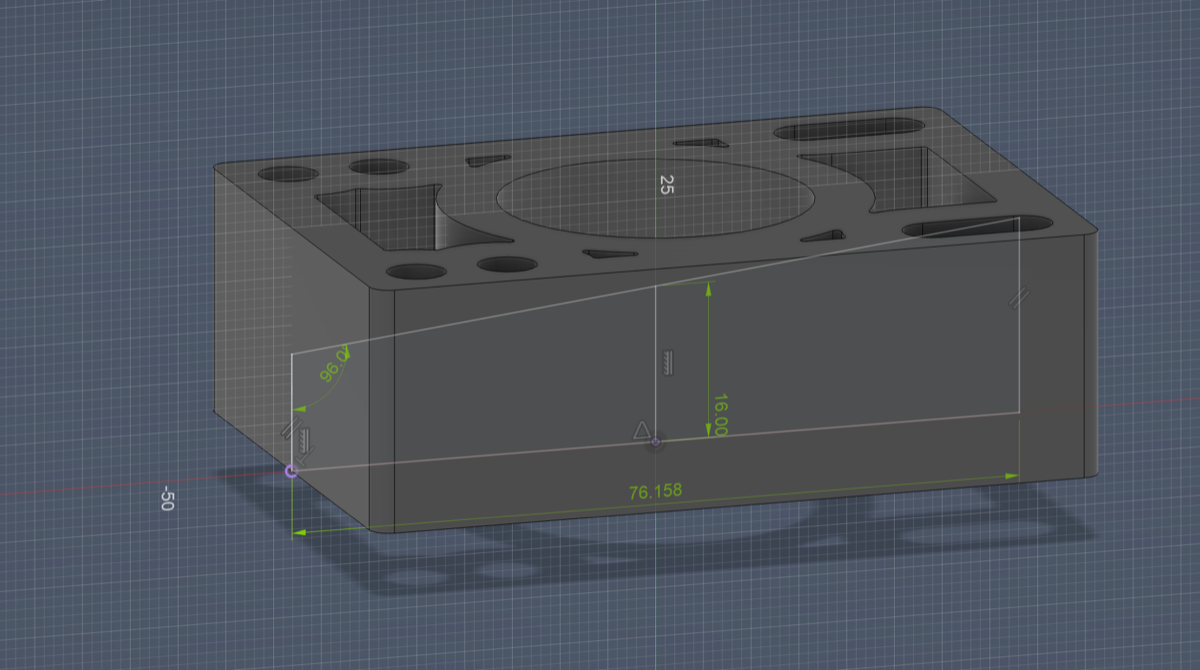
Checking dimensions and rebuilding every time — tedious.
But re-modeling in Fusion 360 every time was tedious. Measure, model, export, repeat. It took 30 minutes per design even when I knew exactly what I wanted. So I built a tool that does it in seconds.
RISER 3D is that tool. Open it in a browser, set your height and hole pattern, hit export. No 3D modeling skills required. Anyone with a 3D printer can make a custom riser in minutes.
Why Free?
Skateboarding is already expensive. The last thing anyone needs is to pay $10 per riser design. RISER 3D is and will stay free — no account, no paywall, no friction.
The whole point was to share this with other skaters. Charging for it would miss the point entirely.
Our Expertise
Skateboarding: Started riding last year and dove deep into setup customization. I've learned truck geometry, wheel bite mechanics, and how small setup changes completely change how a board rides.
3D Printing: Personal experience with Bambu Lab and FlashForge printers. I know what settings work for skateboard parts — infill, material choice, print orientation. PETG at 100% infill is the standard because I tested what fails.
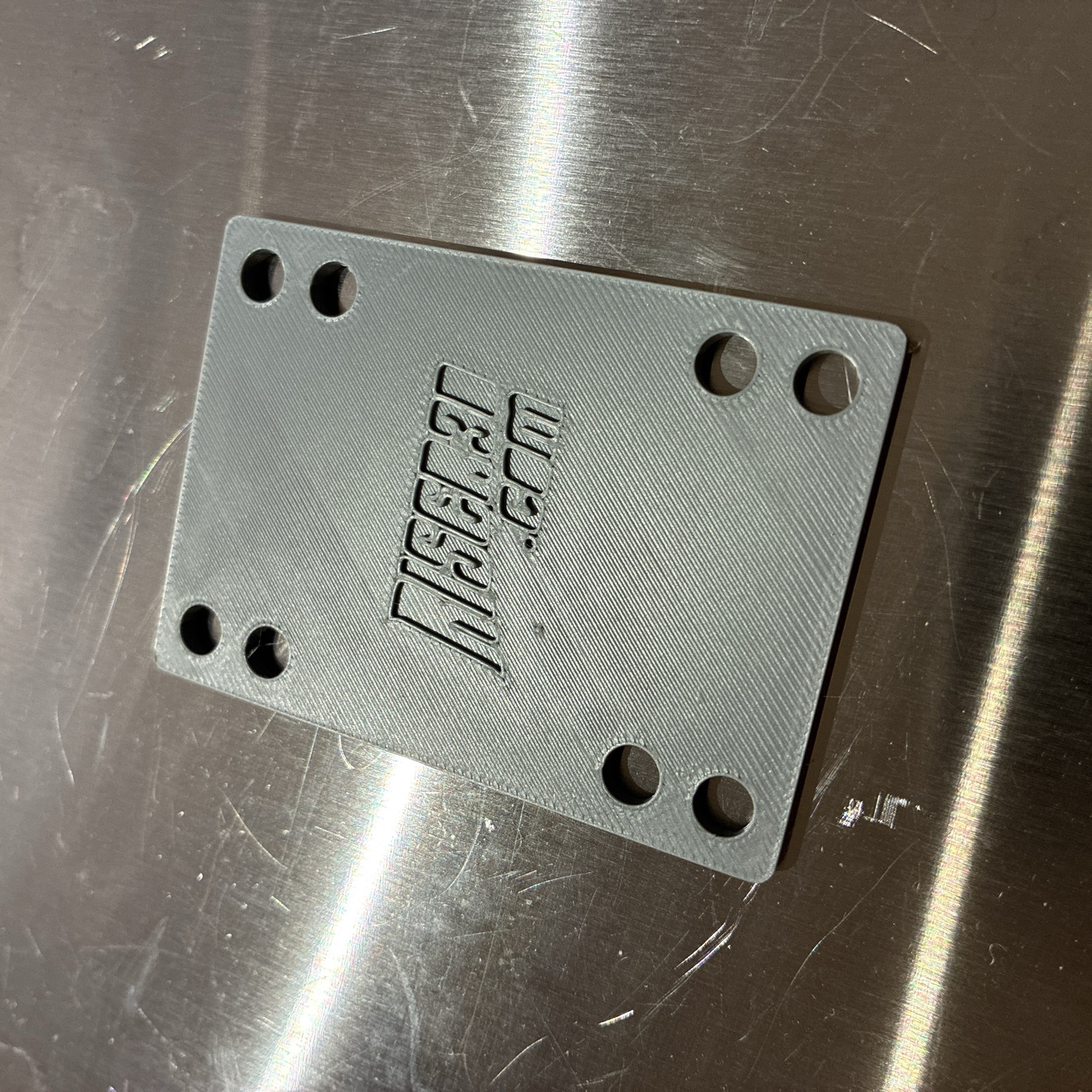
An early test print of one of my own designs — PLA, just for fit checking before the real PETG run.
Web Tools: RISER 3D is built on modern web standards. The 3D preview uses Three.js. The design engine calculates wheel bite clearance in real-time using the physics of your specific setup.
What's Next?
RISER 3D is live, and it works. But we're just getting started.
We're exploring partnerships with 3D print-on-demand services so you can order custom risers without owning a printer. We're researching different materials and reinforcement techniques. We're listening to the community and building features that matter.
Most of all, we want to help you build the perfect setup. No compromises.